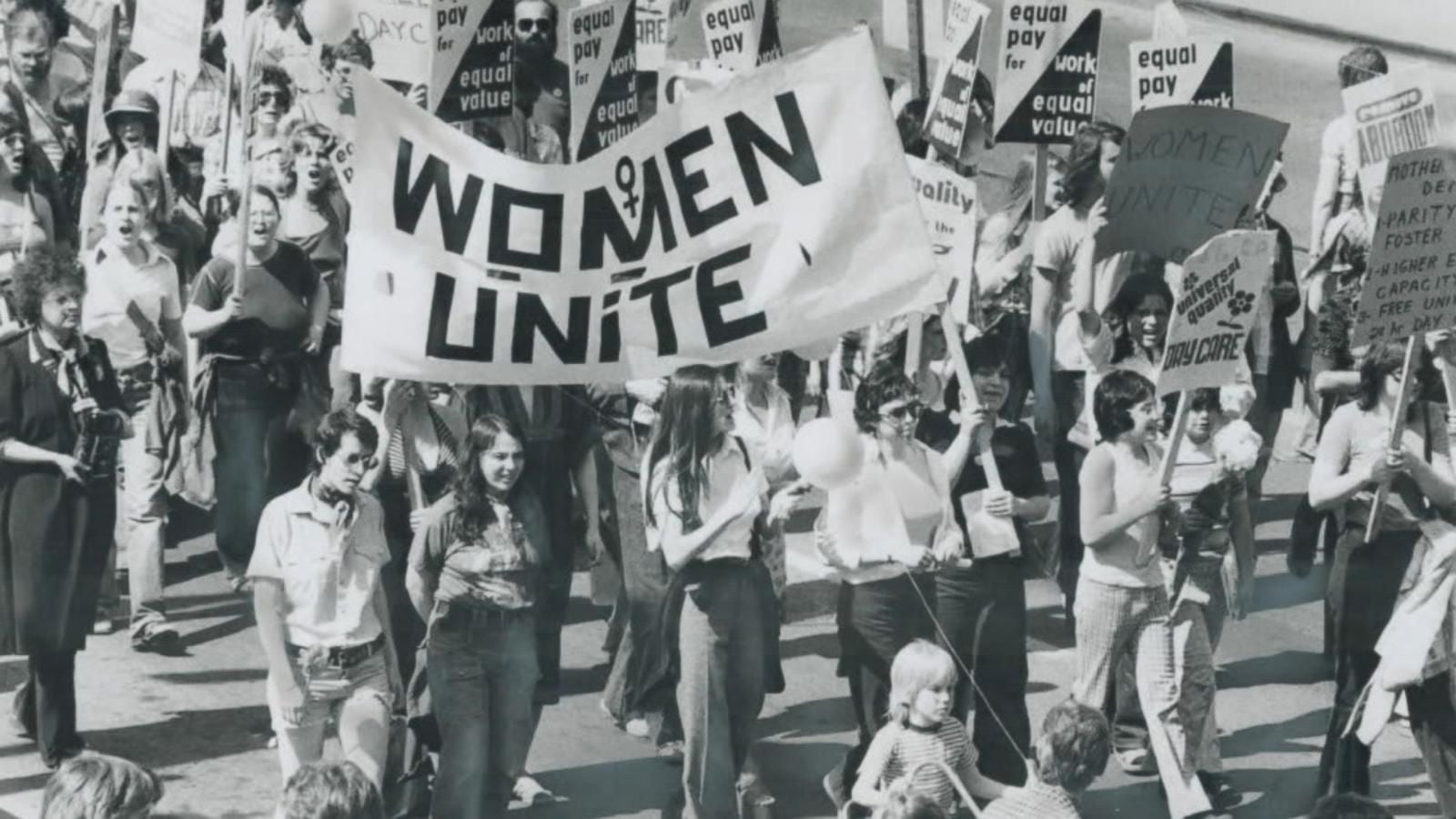

They said sit down. Women took a seat at the head of the table. They said pipe down. Women delivered an impeccable speech to a standing ovation. There’s a kind of energy that is ever present today. A reminder that we’re here to acknowledge those that empower, strengthen and create spaces to honour all that women do for us.
A History Lesson on International Women’s Day
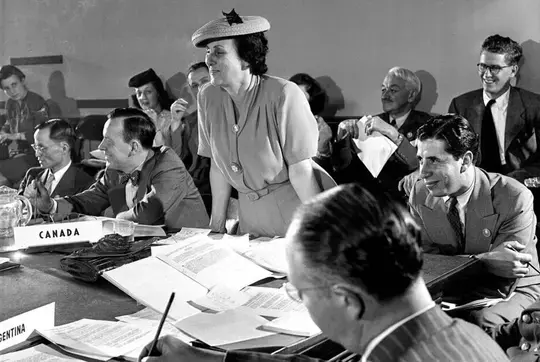
Photo via United Nations: Bertha Lutz at the San Francisco Conference, 25 April – 26 June 1945. UN.
It all began in 1908, when fifteen thousand women marched through the streets of New York City vying for shorter working hours, fair pay, and the right to vote. They didn’t ask politely. They moved forward to stand for what was rightfully theirs. It was a moment to mark in the Hallmark storybooks that women are here and ready to fight for what they deserved.*
By 1946, the United Nations formed the Commission on the Status of Women; the first true global intergovernmental body dedicated to gender equality, that famously shapes women’s rights policies today. Two years later, it was firmly etched in history that everyone deserves equal rights.*
In 1975, 90% of women in Iceland refused to do anything for one day. And what happened? Yes, you guessed it. The country came to a halt. That one day marked a revolution of major reforms to ensure an increase in women’s political participation and paid parental leave.*
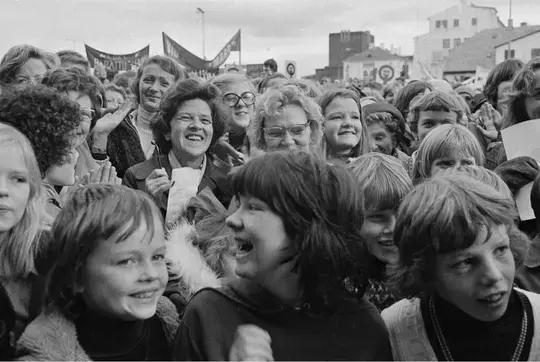
Photo via United Nations: Women’s Day Off, 24 October 1975, Iceland. Reykjavík Museum of Photography
From Malala Yousafzai speaking up after surviving a brutal attack in Pakistan just because she wanted to go to school, to the #MeToo movement and equal pay for all athletes, women’s voices are slowly being heard. And as a collective, they are a force to not be reckoned with.
But yet, more than a century later, the balance of equality is still not a shared truth. In boardrooms, and research labs, women remain underrepresented because of lack of access, infrastructure, and belief. And for women who sit at the intersection of multiple marginalised identities the barriers don’t simply add up. They multiply.
The gains are real. The gaps are realer. It’s time to listen to women already leading their communities, to teach all that strength isn’t about dominance but about creating a society where all people feel seen.
The revolution doesn’t need a red carpet. It needs room. Give it room, and watch what gets built.
*Sourced from: United Nations, “Timeline of Women Rights from 1848 to 2026”