
In a city that thrives on constant culinary reinvention, it takes a certain level of clarity and confidence for a restaurant to feel truly distinct. Not nostalgic, not trend-driven, but fully realized. At DaNico, that distinction begins the moment you step inside.
Tucked into Toronto’s core, the restaurant presents itself not as a traditional Italian dining room, but as a carefully composed study in contrast: heritage and innovation, restraint and indulgence, Italy and Japan. It signals immediately that what follows will be special.
The Vibe
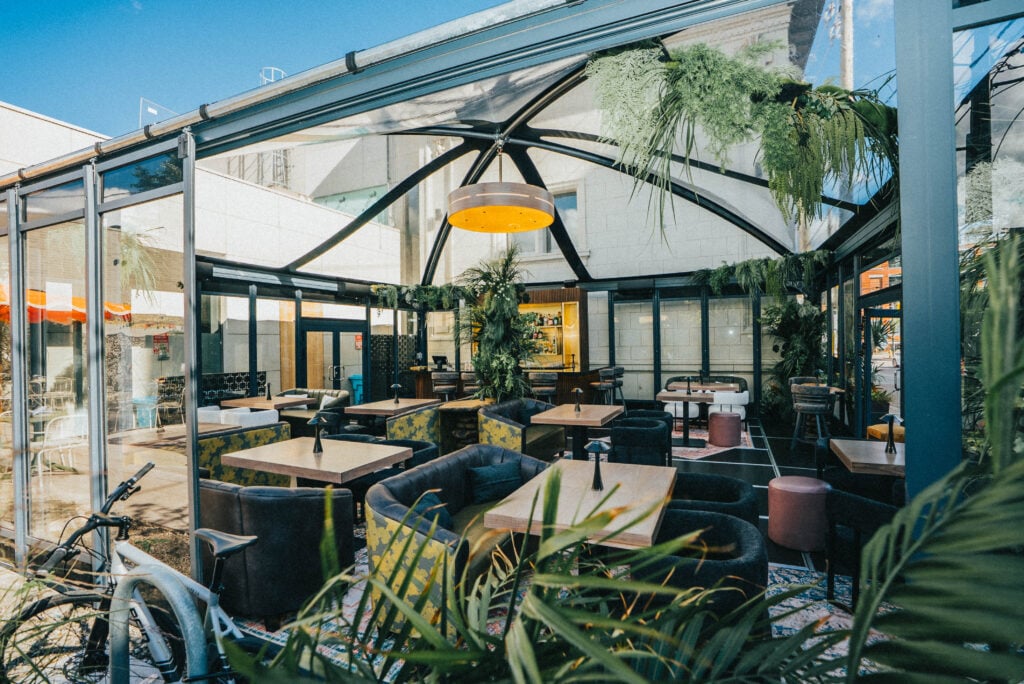
Photo provided by DaNico
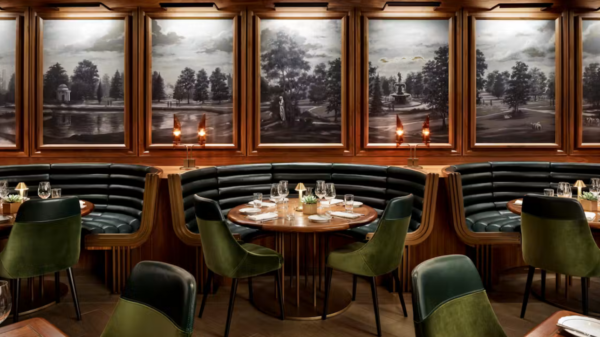
DaNico’s dining room is designed with deliberate theatricality. The space leans into architectural drama with its soaring ceilings, moody lighting, and a sense of scale that feels cinematic. Yet despite its grandeur, the atmosphere remains composed. Tables are spaced with intention, allowing conversations to breathe, while the room hums with the quiet rhythm of a restaurant fully in control of itself. There’s an undeniable sense that this is a place built for experience as much as it is for dining. And both components were delivered.
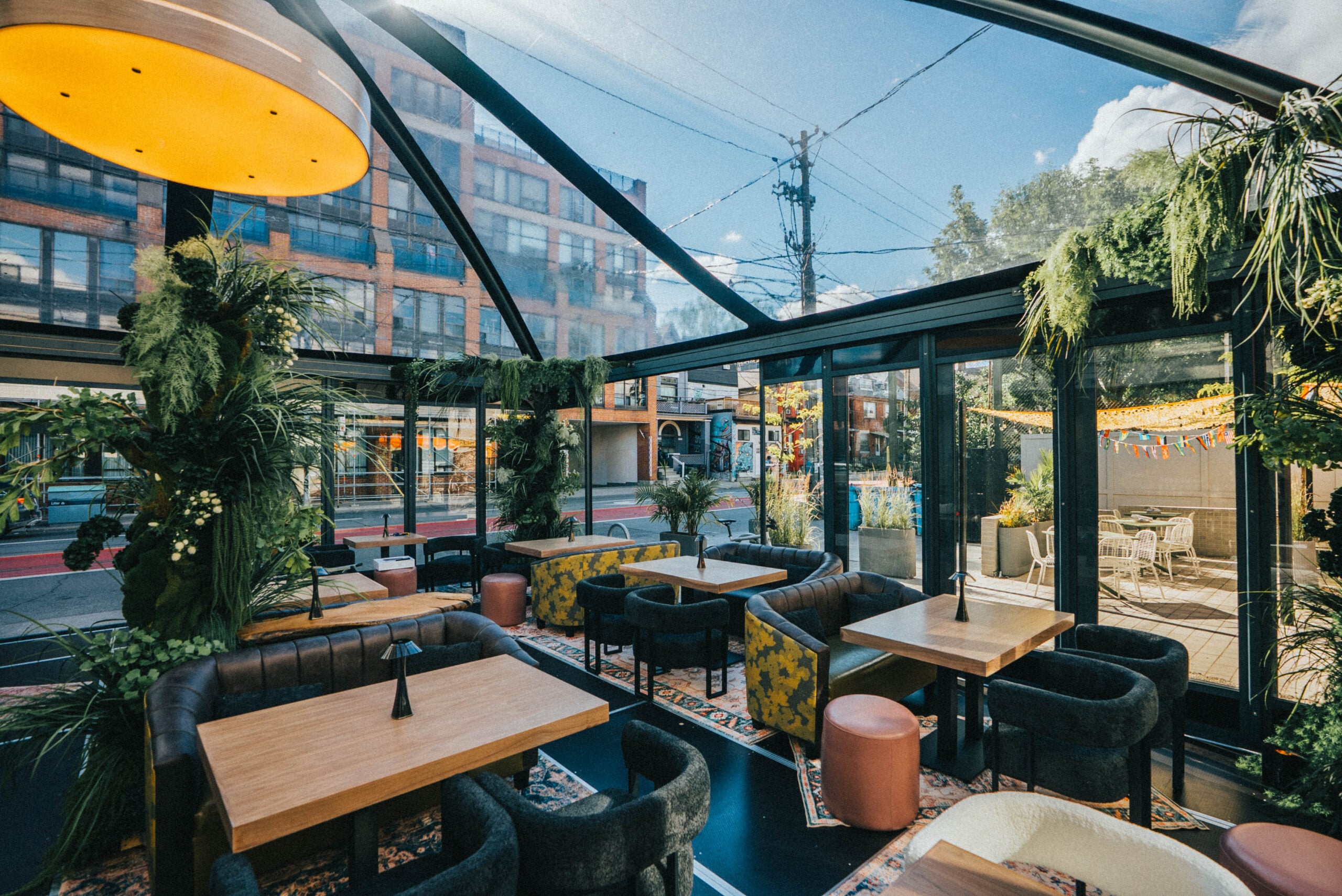
What stands out most is the balance: luxury without rigidity, modernity without coldness. It feels like a restaurant that understands its own identity completely and doesn’t need to overstate it. As an alternative, in the summer months, DaNico also has its patio open to LuNa. A tucked-away outdoor terrace that feels like a quieter, more romantic extension of the dining room.
The Service
Service is one of the things DaNico gets right without making a point of it. Nothing feels scripted or overly formal, which is refreshing given the level of precision on the plates. Courses arrive smoothly, timing is steady, and there’s a quiet confidence in how everything is run. The best way to describe it is: you’re looked after, but not hovered over. Questions are answered without turning into lectures. Plates are explained clearly, then they leave you alone to actually enjoy them. This was one of my personal favourite parts of the restaurant. The team had personality, which is sometimes missing from a fine dining experience.
The Food & Drink
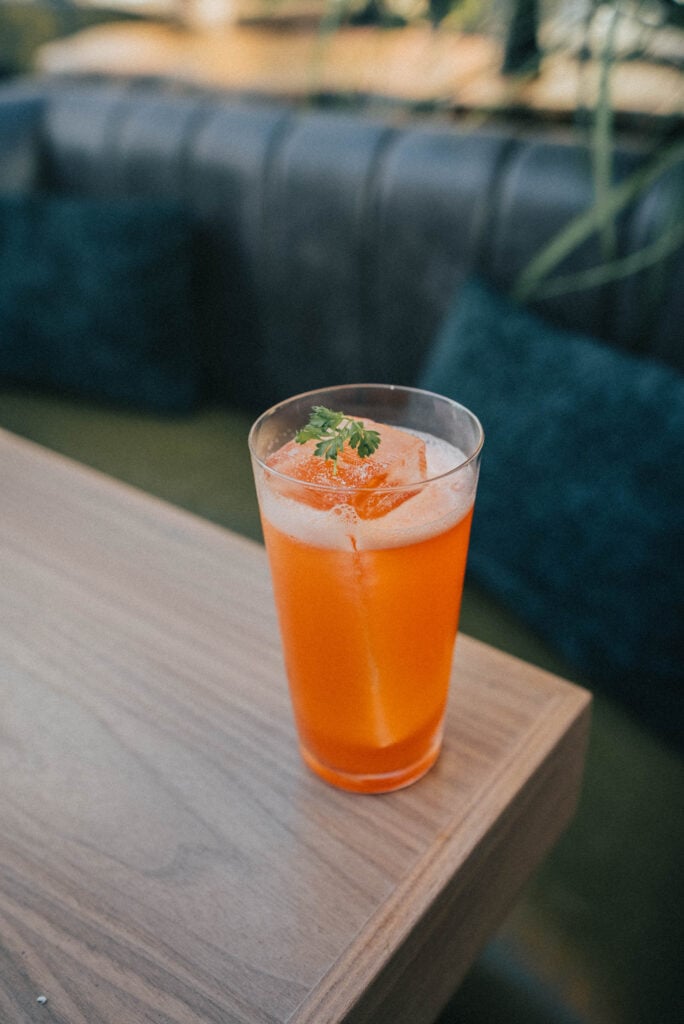
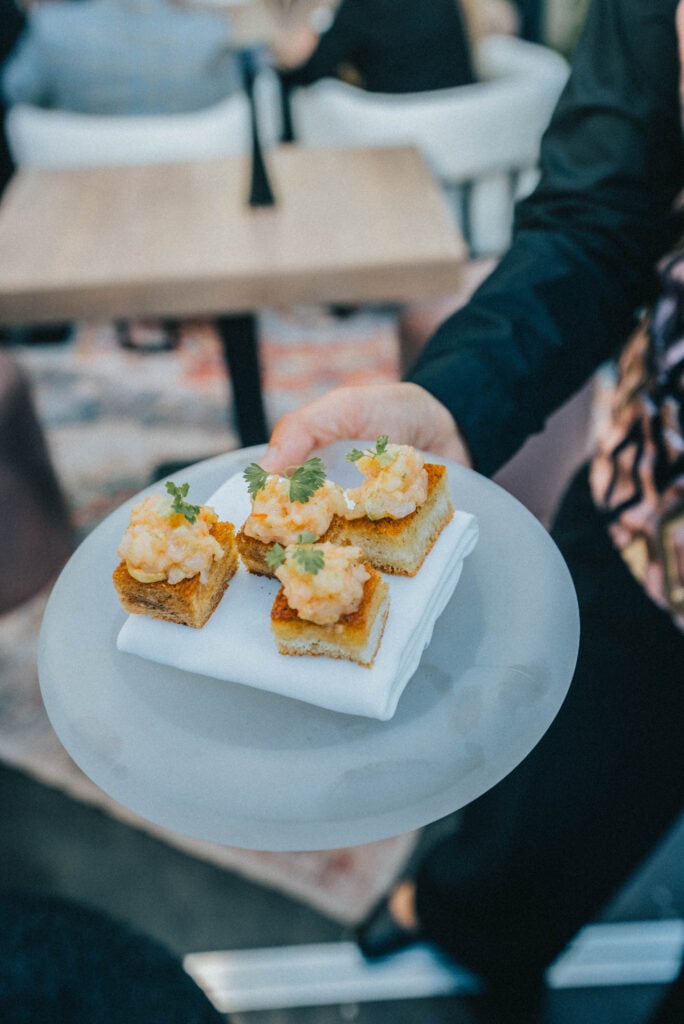
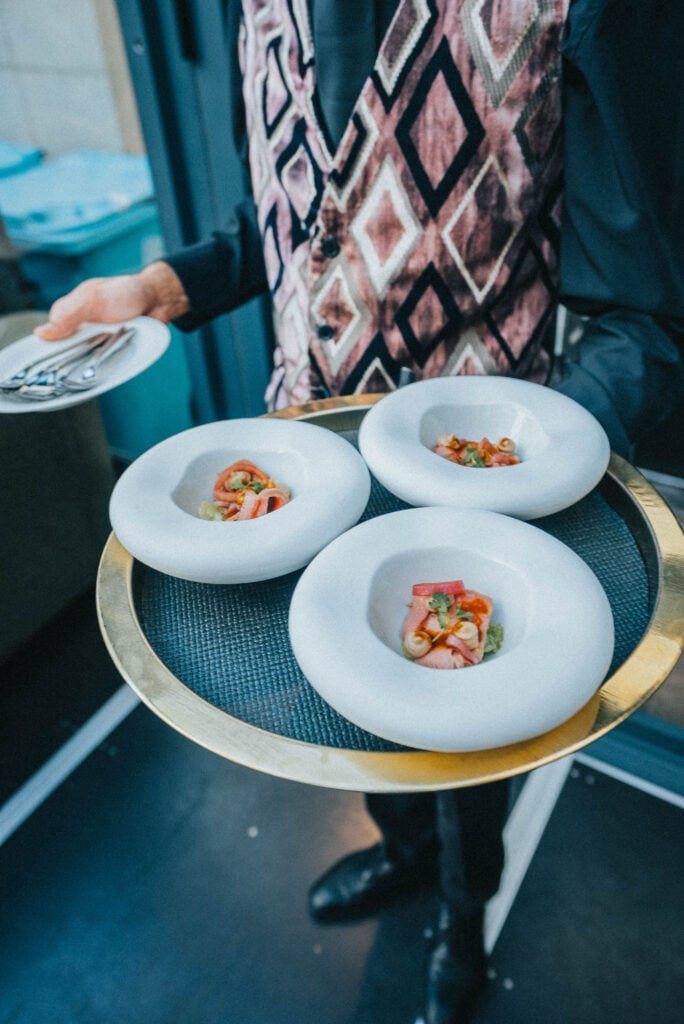
Chef Daniele Corona’s menu is where DaNico really separates itself from more traditional Italian kitchens in the city. This isn’t about recreating Nonna’s kitchen. It’s about using Italian technique as a base and letting everything else evolve from there.
We started with the Gamberi Rosa, Japanese amaebi shrimp served crudo-style. The shrimp itself is delicate, sweet, and almost creamy in texture. But what makes the dish stand out is everything around it: a moqueca-inspired sauce that brings warmth and depth, a tomato seed and green pepper salad that cuts through it, and then this crisp puffed tapioca situation that adds crunch and a slightly unexpected texture hit.
It’s one of those dishes where every bite shifts slightly depending on what you pick up with it. Nothing feels random, but it’s not predictable either.
The Fettuccine alla Marinara is where things get even more interesting.
At first glance, it reads like a comfort dish. Handmade fettuccine from Tuscany, marinara, olives, and capers. But then you realize the pasta isn’t sitting in a heavy sauce, it’s been gently infused with marinara broth, which keeps everything lighter and more aromatic than expected.
Then come the details: Castelvetrano olives bringing that soft,t briny richness, crispy capers adding sharpness, and then—unexpectedly—Japanese chutoro tuna tartare folded in, giving the whole dish a buttery, almost melt-in texture that shifts it away from anything you’d call traditional Italian.
It shouldn’t all work together as seamlessly as it does, but it does.
Then came the IL Manzo, and the tone shifted again.
Wagyu tenderloin, marinated for 12 hours, charcoal grilled just enough to give it depth without overpowering the fat. It’s rich, obviously, but not heavy in the way Wagyu can sometimes be when a kitchen leans too hard into indulgence.
It’s served with shishito peppers that add a gentle heat, baby bok choy dressed with sesame that brings freshness and crunch, and fresh wasabi that cuts through the richness in a way that feels very intentional—almost cleansing between bites.
If the pasta is where DaNico shows its creativity, the Wagyu is where it shows restraint. Nothing is overdone. Everything is measured.
And if you have the opportunity, finish with the BOSCO DELLE FRAGOLE. Just trust me.
Final Thoughts
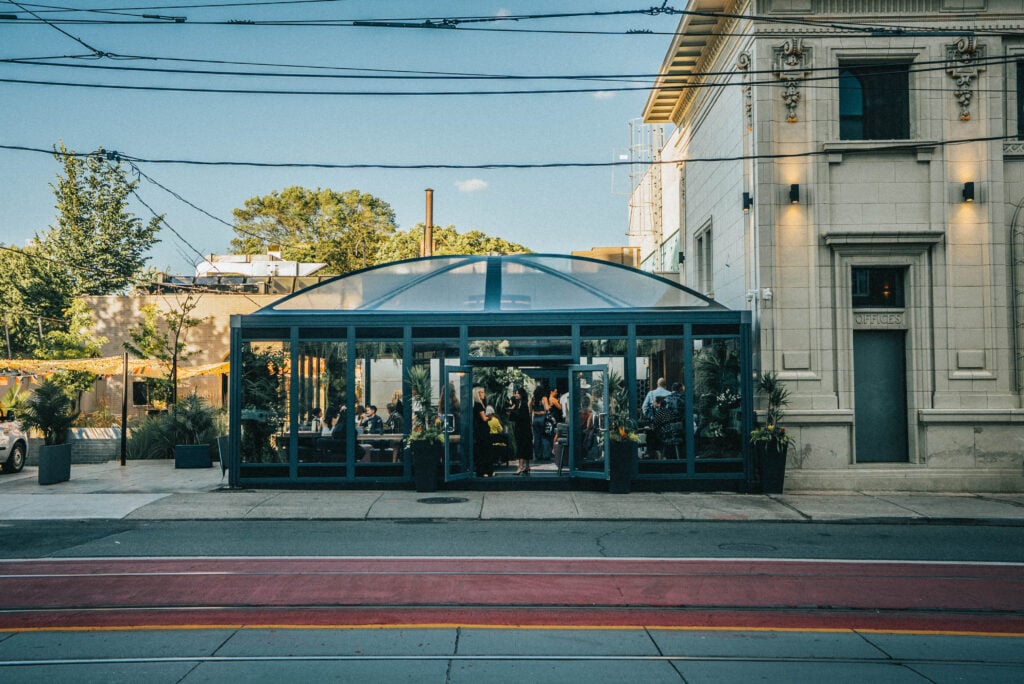
Photo provided by DaNico
DaNico isn’t trying to be your classic Italian restaurant, and it’s better for it.
What it does well is balance: Italian foundation, global influence, fine dining technique, and a clear sense of identity that doesn’t feel borrowed from anywhere else in the city.
It’s not loud. It’s not nostalgic.
What it is is a restaurant that knows what it’s doing and executes it with enough confidence that you don’t really need to overthink it while you’re there.
That’s exactly what makes it worth talking about. We will be back.